River Road Plantations: A Day Trip from New Orleans
Can you visit the River Road plantations in a single day from New Orleans?
Yes. Most sites sit between roughly three quarters of an hour and an hour and a half from the city, and a day trip realistically covers two of them well, or one in depth plus the River Road African American Museum. Trying to fit more turns the day into driving rather than visiting.
Planning a River Road day trip from New Orleans
The stretch of the Mississippi between New Orleans and Baton Rouge, known as the River Road, carries one of the highest concentrations of historic plantation sites in the United States. On both banks, a string of estates from the eighteenth and nineteenth centuries has been preserved, restored or turned into museums, and together they form the backbone of a day trip out of the city.
This page is a planning guide to the corridor as a whole — which sites exist, how they differ, how far apart they sit, and how to combine two or three of them into a single day without simply spending the day in the car. It is not a deep dive into any one plantation: for that, see the dedicated guides to Oak Alley and to Whitney Plantation.
Before anything else, it is worth being clear about what these places are. Every plantation on the River Road was a site where enslaved people were held and forced to work, often for generations, under a system built on their exploitation. The museums along this road today differ sharply in how directly they address that history — some lead with architecture and gardens, others are built entirely around the story of the enslaved — but none of them is a simple garden outing, and this page does not treat them as one.
Where the plantations sit
The River Road runs along both banks of the Mississippi between New Orleans and Baton Rouge, the state capital, which stands at the far end of the road roughly 130 km upriver from the city.
The plantations themselves are spread along roughly an hour and a half of driving, with Destrehan Plantation the closest to New Orleans, well under an hour away, and sites further out — Oak Alley, Laura, Whitney Plantation, San Francisco and Houmas House among them — typically closer to an hour to an hour and a half depending on traffic, the route chosen and which side of the river you take. These figures are an order of magnitude, not a timetable: road conditions and the specific starting point in New Orleans both move the number.
Because the road crosses the river only at a limited number of bridges, the practical planning question is less “which plantations do I want to see” and more “which plantations are close enough together, on the same bank, to combine in one day.” Two sites on the same side of the river, twenty or thirty minutes apart, make a far more comfortable day than two sites that are individually closer to the city but on opposite banks.
The sites, and how they differ
Rather than repeating what the dedicated pages on Oak Alley and Whitney already cover in depth, here is how the main River Road sites compare, so you can choose a combination that suits what you want from the day.
| Site | What it is known for | Approx. distance from New Orleans |
|---|---|---|
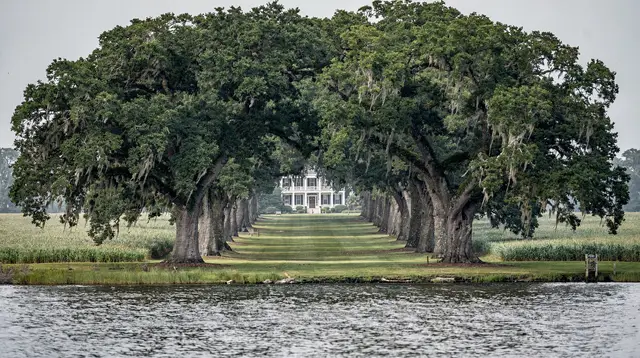
| Oak Alley Plantation | Its quarter-mile alley of live oaks and the mansion at the end of it | ~1 hour |
| Laura Plantation | A Creole working plantation told from the family’s own written records | ~1 hour |
| Whitney Plantation | The first US museum built entirely around the history of slavery | ~1 to 1.5 hours |
| Destrehan Plantation | The closest site to the city, and the setting of an 1811 slave revolt | Under 1 hour |
| San Francisco Plantation | Ornate Steamboat Gothic architecture | ~1 hour |
| Houmas House | Restored mansion and extensive gardens | ~1 to 1.5 hours |
| St Joseph Plantation | A smaller, still-family-owned working plantation | ~1 hour |
| Felicity Plantation | Rarely visited independently, seen mainly from the road | ~1 hour |
| River Road African American Museum | Focused museum on African American history along the corridor | Near Donaldsonville, ~1 hour |
Oak Alley and Laura sit close together and are frequently paired on the same tour, which is why they are often sold together. Destrehan, being closest to the city, suits a shorter half-day. Whitney Plantation is built specifically to center the enslaved people who lived there, using first-person testimony gathered by the Federal Writers’ Project in the 1930s, and deserves its own dedicated visit rather than being rushed as a second stop; the full guide to Whitney covers this in detail.
San Francisco and Houmas House lean toward architecture and gardens and can be combined with each other. The River Road African American Museum, near Donaldsonville, is smaller and less visited than the plantation-house sites but is a natural addition for anyone building a day around this history rather than around architecture alone.
For a side-by-side comparison of what each site actually covers and how they tell their history differently, see plantations along the River Road compared.
Organised tour or rental car
There are two practical ways to see the River Road from New Orleans, and neither is clearly better; the choice depends on how much logistics you want to handle yourself.
An organised tour with hotel pick-up removes the driving, the parking and the route planning entirely. Most operators run set combinations — commonly Oak Alley paired with Laura, or Destrehan on its own with its 1811 revolt narrative, or San Francisco and Houmas House together with lunch included. A guided coach or van also means someone else is managing the return timing, which matters on a day when you are trying to be back in the city by evening. The trade-off is a fixed schedule and a fixed choice of sites.
For a first stop on the alley of oaks or the family-archive approach at Laura, an organised option such as the Oak Alley or Laura Plantation tour from New Orleans handles the whole route in one booking. Destrehan’s proximity and its specific history make it a strong half-day option, covered by the Destrehan Plantation tour focused on the 1811 slave revolt.
Those who want the architecture-and-gardens pairing, with lunch built into the day, can look at the San Francisco and Houmas House tour with lunch. And for a smaller, still-family-run working plantation, there is the St Joseph Plantation guided tour.
Renting a car gives full control over which sites you combine and how long you stay at each, and it is the only practical way to link a plantation visit with somewhere the tour operators do not go, such as the River Road African American Museum on its own schedule. Do You Need a Car in Louisiana? goes into the wider trade-offs of driving versus tours across the region; the short version for the River Road specifically is that a car pays off if you already plan to add a stop the tour buses skip, and costs you nothing but attention to navigation and tolls if your route is straightforward. See do you need a car in Louisiana for more.
Whichever option you choose, book ahead. Guided-only sites and busy shoulder-season weekends fill up, and a walk-up visit risks a full tour or a long wait that eats into the rest of the day.
Building the day
A single day realistically supports two of these sites, or one site plus the River Road African American Museum, without the day collapsing into driving. A common and comfortable pairing is Oak Alley with Laura, since they sit close together on the same bank and offer contrasting takes on plantation history — one built around its avenue of oaks, the other around family records of a working Creole estate. Destrehan alone, given its shorter distance, suits a half-day that leaves the afternoon free back in the city. San Francisco and Houmas House work well together for visitors more interested in architecture and grounds.
Whitney Plantation is the exception worth planning around rather than through. Its tour is longer and more intensive than most of the other sites, and pairing it with a second full plantation visit on the same day tends to shortchange one or the other. Many visitors choose to see Whitney on its own, or pair it with a shorter stop such as the River Road African American Museum rather than a second full-length plantation tour. The dedicated guide to that pairing, Whitney Plantation as a day trip from New Orleans, covers timing in more detail.
If your plan runs past a single day, the two-day River Road itinerary spreads the corridor over less rushed timing, and the four-day New Orleans and a plantation itinerary folds a River Road day into a broader city stay. For the plantation corridor specifically stretched over two days, see the two-day River Road plantations itinerary.
Baton Rouge, at the end of the road
Baton Rouge, Louisiana’s state capital, sits at the far end of the River Road, beyond the main cluster of plantation sites. It is not on most day-trip itineraries from New Orleans, since reaching it and returning the same day, on top of a plantation stop, makes for a very long day on the road. Visitors who want to see the capital’s art-deco State Capitol and the USS Kidd generally treat Baton Rouge as either a separate day trip or an overnight stop rather than an add-on to a plantation visit. The Baton Rouge visitor guide covers what the capital offers on its own terms, and the standalone Baton Rouge day trip guide has practical logistics for reaching it directly.
Getting oriented before you go
Because this is a corridor rather than a single destination, it helps to look at the wider category before booking anything specific. The River Road Plantations things-to-do overview lists the range of tours available across the whole stretch, and the general plantation tours category covers operators and formats beyond the specific combinations named here.
If your itinerary already includes a broader Louisiana loop taking in Cajun country or the Gulf Coast, a River Road day is usually best placed as a standalone day from a New Orleans base rather than stitched into a longer road trip, simply because the plantations sit in the opposite direction from Lafayette and the coast.
A day trip with real history, not a garden outing
It is worth repeating, because it is easy to lose sight of on a day built around driving times and tour combinations: every site on this list is a place where people were enslaved and forced to work. The River Road African American Museum, Whitney Plantation and the 1811 revolt narrative at Destrehan address that history directly. Other sites, built around architecture, oak alleys and restored gardens, tell a narrower story unless a guide chooses to broaden it — and it is worth asking, when you book, how directly a given tour addresses the people who were held there. Choosing which sites to combine is a legitimate planning question. Treating the day as scenery is not.
Questions about a River Road plantation day trip
How far are the River Road plantations from New Orleans?
Distances vary by site and by which bank of the Mississippi you take. Destrehan is the closest, well under an hour. Oak Alley, Laura and Whitney sit further out, typically closer to an hour to an hour and a half depending on traffic and route. Treat any quoted time as an order of magnitude, not a guarantee.
Should I book an organised tour or rent a car?
An organised tour with hotel pick-up removes the driving, the parking and the route planning, and often combines two sites with lunch built in. A rental car gives more control over pace and which sites you combine, but you are responsible for navigation, tolls and return timing. Neither option is objectively better; it depends on how much you want to manage yourself.
How many plantations can I realistically see in one day?
Two, comfortably, if they are on the same side of the river and close together. Three is possible only with an early start and tight timing, and it usually means less time at each stop. Many visitors do better choosing one site to see properly and adding the River Road African American Museum or a second, shorter stop.
Which plantation should I choose if I can only pick one?
That depends on what you want from the visit: some sites are known for their oak-lined approach and architecture, others for family archives that document the plantation as a Creole working estate, and Whitney Plantation is built specifically around the history of the enslaved people who lived and worked there. This page compares the sites; dedicated guides go deeper on Oak Alley and on Whitney.
Are these tours appropriate for children?
Most sites welcome families, but the subject matter is serious. These were places where people were enslaved, and several tours address that history directly and without softening it. It is worth deciding in advance how you want to prepare children for what they will hear, rather than treating the visit as a garden outing.
Is Baton Rouge worth combining with a plantation visit?
Baton Rouge, the state capital, sits at the far end of the River Road, roughly at or beyond the plantations depending on the route. Combining it with a plantation stop in the same day is possible but makes for a long day; many visitors treat Baton Rouge as a separate trip or an overnight stop rather than an add-on.
Do I need to book plantation tours in advance?
Advance booking is strongly advisable, especially for guided-only sites and during spring and autumn when demand is highest. Walking up on the day risks a full tour or a long wait, particularly if you are combining a visit with a tight return to New Orleans.
River Road day trips on GetYourGuide
Verified deep-linked GetYourGuide tours. Book through these links and we earn a small commission at no cost to you.
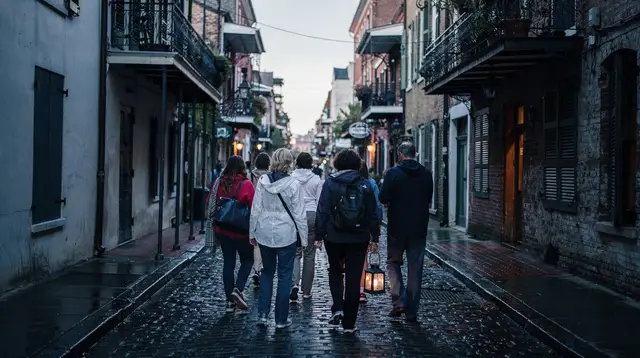
GetYourGuide does not provide a product photo for this activity — the image shows the meeting point, photographed by us.