Plantations Along the River Road, Compared
Which River Road plantation should I visit?
Whitney Plantation tells the story of slavery in the most direct way, Laura Plantation is told through Creole family records, and Oak Alley is known for its quarter-mile alley of live oaks. Destrehan is closest to New Orleans if time is short. None of these visits should be treated as a garden outing; enslaved people were held and worked at every one of these sites.
What the River Road actually is
The River Road runs along both banks of the Mississippi between New Orleans and Baton Rouge, roughly 45 minutes to an hour and a half upriver depending on which stretch you’re headed for. It was once lined with dozens of sugar and cotton plantations, worked by enslaved people whose labour built the wealth on display in the surviving houses.
A handful of those properties are now open to visitors, and they are not interchangeable. Some lead with architecture and gardens, some with family archives, and one is built entirely around the history of slavery itself. This page is a comparison, meant to help you choose among them according to the time you have and what you actually want to understand when you get there — not a ranking of which garden is prettier.
It is worth saying plainly, once, before going further: a plantation tour is not a romantic outing or a stroll through a pretty estate. These were places where people were held in bondage and forced to labour, often for their entire lives. Every one of the sites below existed because of that system. How openly each museum addresses it is one of the most useful ways to tell them apart, and it’s covered honestly below for each one.
The main sites, side by side
| Plantation | Distance from New Orleans | Known for | Narrative approach |
|---|---|---|---|
| Destrehan Plantation | ~45 minutes | Closest to the city, one of the oldest surviving buildings on the River Road | Architecture and Louisiana history, with enslaved life addressed on site |
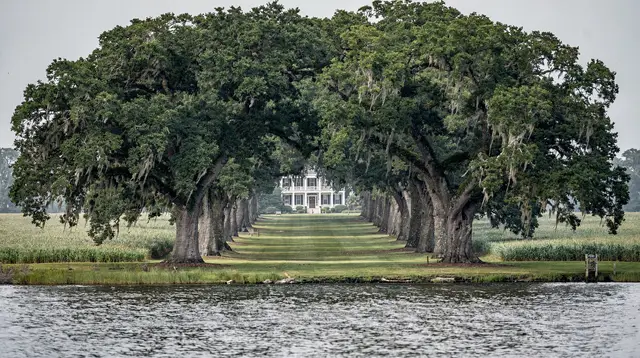
| Oak Alley Plantation | ~1 hour | Quarter-mile alley of live oak trees, the most photographed site on the road | Grounds and architecture lead, with a dedicated slavery exhibit in the former slave quarters |
| Laura Plantation | ~1 hour | A Creole plantation told through the family’s own written records | Family history and daily life, including the lives of the enslaved, drawn from documented sources |
| Whitney Plantation | ~1 hour | The first museum in the United States built specifically around the history of slavery | Told from the perspective of the enslaved throughout, not as one exhibit among others |
| San Francisco Plantation | ~1 hour | Ornate Steamboat Gothic architecture | Architecture-led |
| Houmas House | ~1 h 15 | Elaborate gardens and a well-known restaurant on site | Grounds and gardens lead |
| St Joseph & Felicity Plantations | ~1 h 15–1 h 30 | Working sugar plantations, less visited, quieter tours | Working plantation and agricultural history |
| River Road African American Museum | ~45 minutes–1 hour, varies by location | African American history and culture along the corridor | Community and cultural history, independent of any single plantation house |
Distances and driving times are approximate and depend on traffic leaving New Orleans; build in extra time if you’re driving yourself rather than joining an organised tour.
Oak Alley: the alley of oaks
Oak Alley Plantation is named for the quarter-mile canopy of live oak trees planted along the approach to the main house, decades before the house itself was built in the 1830s. It’s the single most recognisable image associated with the River Road, and the grounds tour and house tour both lean into that architecture and setting.
Oak Alley does maintain a slavery exhibit in reconstructed slave quarters on the property, addressing the lives of the roughly 220 enslaved people who worked the sugar plantation, but the site’s public identity is still built primarily around the oaks and the mansion. If your priority is the classic River Road image and you want a general introduction to plantation architecture alongside it, this is the obvious starting point. If your priority is a direct, sustained account of slavery, treat Oak Alley as a partial answer and pair it with Whitney or Laura.
Laura: told from the family’s own records
Laura Plantation differs from most of the others in its method rather than its subject. It’s a Creole plantation — Creole here meaning the culture that formed in and around New Orleans out of French, Spanish, African and Caribbean influences, not to be confused with the separate Cajun culture further west. What sets Laura apart is that its tour is built from an unusually complete set of family documents and oral histories, including accounts from formerly enslaved people who later gave interviews about their lives there.
The result is a tour that moves between the family’s story and the lives of the enslaved with more documentary grounding than most plantation tours can offer, because so much of it comes from written and recorded first-hand sources rather than general historical context. If you’re drawn to plantation stories told through specific, named people rather than broad summary, Laura is usually the strongest choice on the road.
Whitney: built around the history of slavery
Whitney Plantation is different in kind, not just degree. It was created specifically as a museum of slavery — the first of its kind in the United States — and every part of the visit, from the memorial walls listing thousands of names to the guided tour itself, is organised around the experience of the enslaved rather than the plantation family or the architecture. It does not treat slavery as one topic among several; it’s the entire premise of the site.
Because Whitney deserves fuller treatment than a comparison page can give it, the details of what a visit involves, how long to allow, and how to prepare for it are covered on its own page: Whitney Plantation and the history of slavery. If you can only make time for one plantation and want the most direct account of what these sites represent, Whitney is generally the recommendation — but it should be approached as what it is, a serious historical museum, not a quick stop between other sights.
Destrehan: closest to the city
Destrehan Plantation is the nearest of the major sites to New Orleans, roughly 45 minutes away, which makes it the practical choice if your schedule is tight or you’re combining a plantation visit with something else the same day. It’s also one of the oldest surviving plantation buildings in the lower Mississippi valley, with a history that includes a documented account of an 1811 slave uprising that was suppressed nearby — one of the largest such uprisings in US history.
Destrehan’s tour addresses this directly rather than treating the plantation only as an architectural showcase. It’s a reasonable middle option: closer and shorter than a full day trip further up the road, with slavery addressed as part of the standard tour rather than sidelined.
The rest: San Francisco, Houmas House, St Joseph and Felicity
San Francisco Plantation is known for its unusual, ornate “Steamboat Gothic” architecture — the tour there leans toward design and construction history. Houmas House is known above all for its gardens, live oaks and an on-site restaurant that draws its own visitors independent of the history tour; it’s a good option if part of your group wants gardens and lunch as much as a history lesson, though the same caution applies — it was a working sugar plantation, and that history shouldn’t be treated as backdrop. St Joseph and Felicity Plantations are smaller, less visited working sugar plantations further up the road, worth considering if you want a quieter tour without the crowds of Oak Alley, though they require more driving.
The River Road African American Museum
Distinct from any single plantation house, the River Road African American Museum focuses on African American history and culture along the corridor more broadly — including free communities of colour, folk life, and the broader context that a single plantation tour can’t always provide. It’s worth building into a River Road day if you have the extra time, as a complement to whichever plantation house you choose rather than a replacement for one.
How much time to allow
A single plantation tour typically runs one to one and a half hours, plus time to look around the grounds. Add driving time from New Orleans in both directions — 45 minutes to an hour and a half each way depending on the site — and a single plantation is comfortably a half-day trip. Two plantations that are close together, such as Oak Alley and Laura, or Destrehan and San Francisco, can be combined into one full day if you start early, but expect a long day with limited time at each stop. Trying to fit in three in a single day usually means rushing through all of them, which works against the point of visiting in the first place.
If you’re deciding between a plantation day and other options nearby, swamp tours run on a similar half-day schedule and some tours combine a plantation visit with an airboat ride on the same outing.
Getting there: tour or self-drive
Organised tours include round-trip transport from New Orleans hotels, which removes the need to drive and park, and usually bundle the entrance fee into a single price. A rental car offers more flexibility — you can time your own visit, combine two sites, or continue on to Baton Rouge afterward — but you’re responsible for navigating the River Road’s frontage roads and each site’s own parking. There’s no useful public transport option for this stretch; it’s tour or car.
For a guided option close to the city, a tour of Destrehan Plantation with round-trip transport from New Orleans covers the nearest of the major sites without needing a car. Further up the road, a guided visit to Houmas House and its gardens suits travellers who want grounds and a restaurant alongside the history tour.
For the documentary approach described above, a combined Laura Plantation and airboat swamp tour pairs a Creole family history with a bayou outing in a single day. If plantations aren’t the only thing on your list, a broader New Orleans city tour is a lower-commitment way to see the city itself before deciding whether to add a River Road day.
Combining a plantation with the rest of the trip
Many visitors treat a single plantation as one day within a longer stay rather than the centrepiece of the trip. See four days, New Orleans and a plantation for how that fits alongside time in the French Quarter and the Garden District, or five days, city, swamp and River Road if you want to add a swamp tour as well.
If Baton Rouge is also on your list, most of these plantations sit conveniently between the two cities and can be visited on the way rather than as a separate round trip from New Orleans. See our River Road plantations day trip guide for a full logistics rundown, or the Baton Rouge visitor guide if you’re continuing upriver.
For general planning across the wider region, how many days in New Orleans and best time to visit New Orleans both cover where a River Road day fits into a typical stay.
Plantations along the River Road: frequently asked questions
Which plantation is closest to New Orleans?
Destrehan Plantation is the closest, roughly 45 minutes from the city, which makes it a practical choice if your time in the region is limited.
Can I visit more than one plantation in a day?
Two is realistic if they are near each other and you start early, but each tour runs one to one and a half hours, and driving the River Road adds time on top. Trying to fit in three usually means rushing every one of them.
Is Whitney Plantation different from the others?
Yes. Whitney Plantation was built specifically to tell the history of slavery from the perspective of the enslaved, rather than leading with the main house or the grounds. It is covered in more depth on its own page.
Which plantation has the famous oak trees?
Oak Alley Plantation, named for its quarter-mile allee of live oaks planted long before the current house was built. It is the most photographed of the River Road sites.
Are these guided tours only, or can I walk around on my own?
Most of the main house visits are guided, on a timed schedule, though grounds access varies by site. Rules and hours change, so check the specific plantation’s current policy before you go.
Is it appropriate to bring children to a plantation tour?
Older children and teenagers can get a lot from these visits, especially Whitney, but the subject matter is serious and some content is not softened for younger visitors. Consider the specific site and your child’s age.
Do I need a car, or can I book a tour from New Orleans?
Both work. Organised tours include hotel pickup and drop-off in New Orleans, which avoids driving and parking; a rental car gives more flexibility to combine two plantations or continue on toward Baton Rouge.
Tours worth comparing on GetYourGuide
Verified deep-linked GetYourGuide tours. Book through these links and we earn a small commission at no cost to you.
GetYourGuide does not provide a product photo for this activity — the image shows the meeting point, photographed by us.