Where Locals Actually Eat in New Orleans
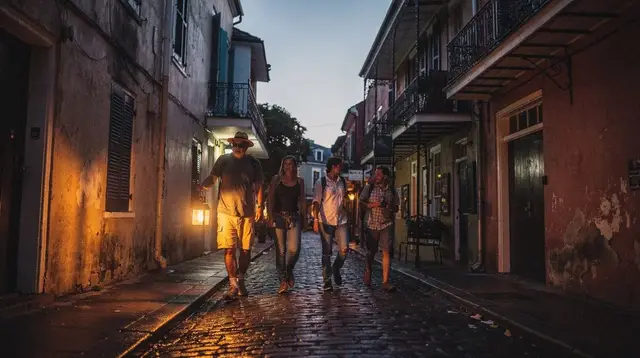
I have lost count of how many times a New Orleans friend has told me, half apologetically, that they haven’t set foot on Bourbon Street in years. That surprised me the first time I heard it. It stopped surprising me the second I understood what eating actually looks like here for the people who live in it, rather than the people passing through for a weekend.
It starts with a schedule, not a menu
The first thing that reframed how I think about food in this city was a throwaway comment from a woman I met at a laundromat in Mid-City, who mentioned she was heading home to “do the beans.” I assumed she meant a recipe she liked. She meant Monday. Red beans and rice on a Monday is not a suggestion here, it is closer to a fixture of the week, the kind of thing you plan the rest of your errands around rather than the other way round.
The story usually told is that Monday was traditionally wash day, and a pot of beans could simmer for hours on the stove while the laundry got done — no attention needed, no one standing over it. Whether or not a household still does laundry on Monday, plenty of them still do the beans, with the ham bone or a bit of sausage going in whatever was left over from Sunday. It’s a domestic dish, cooked at home far more often than ordered in a restaurant, and it taught me that if I wanted to understand food here, I needed to stop asking “what should I eat” and start asking “what day is it.”
That same logic runs through the rest of the calendar. Crawfish season, roughly spring, is organised around the boil rather than around any restaurant — a backyard or driveway event with a folding table covered in newspaper, a pot the size of a bin, and however many people can fit around it. Nobody I’ve eaten crawfish with in New Orleans described it as a meal. They described it as an afternoon. You peel, you talk, you peel more, and the corn and potatoes that came out of the same pot get eaten alongside without much ceremony.
If you’re visiting and want the closest thing to that experience without knowing anyone with a backyard, look for a seafood market or a casual spot doing boils by the pound rather than a formal restaurant menu — it’s the format, not the venue, that makes it feel local. The one organised exception I’d actually make here is a food tour that deliberately skips the Quarter, since it tends to stop at the same neighbourhood markets and counters locals already use rather than a run of restaurants built for visitors.
Crawfish itself is a bayou product before it’s a New Orleans one — most of what ends up in a backyard pot comes from the wetlands south and west of the city rather than from anywhere within city limits. If you want to see where it comes from rather than just eat it, a swamp tour through bayou country or a day trip out to the Atchafalaya Basin makes that connection obvious in a way a menu never quite does.
Chicory coffee, and the errand that isn’t an errand
Coffee here has its own quiet ritual, and it’s one I didn’t expect to matter as much as it does. Chicory coffee, dark and slightly bitter, cut traditionally with hot milk, is what a lot of households actually drink at home, not just what gets sold to visitors alongside a plate of beignets. A neighbour told me she starts most mornings with a cup on her porch before anything else happens in the day, and that the version at home tastes nothing like what she’d order out. It’s a small thing, but it’s one more example of the pattern: the food and drink that define daily life here mostly happen in kitchens, not storefronts, and the restaurants that serve them are doing something closer to translation than invention.
The same at-home logic applies to the dishes visitors chase on arrival. Beignets and po’boys have their well-known counters, and there’s a dedicated guide to where to eat them if that’s what you’re after; it’s also worth reading up on how Creole and Cajun cooking actually differ, since the two get flattened into one “Louisiana food” idea more often than residents would like. And if the queue at the best-known beignet counter is putting you off, it’s worth working out whether it’s actually worth the wait before you commit part of a short trip to standing in it.
What “go to Frenchmen Street” actually means
If there’s one piece of advice that comes up again and again from people who actually live here, it’s some version of “skip Bourbon, go to Frenchmen instead.” I want to be honest about what that recommendation is really pointing at, because I got it slightly wrong myself the first time. Frenchmen Street, in the Marigny just downriver from the Quarter, is a music recommendation more than a food one.
It’s where locals send you to hear a real set in a small room rather than a stage act aimed at a crowd of strangers. People will eat something nearby, sure, but the reason the street gets named at all is the music — it’s a proxy for “somewhere with soul,” not a food crawl. I’d treat it the same way: go for what people are actually pointing you toward, not for a curated tasting menu, and don’t expect it to double as a comprehensive food guide, because that’s not the role it plays in local life.
If you do want a fuller comparison of the two streets before deciding how to spend an evening, there’s a side-by-side look at Frenchmen Street and Bourbon Street, and a shorter take on what Frenchmen Street is actually like after midnight. For a broader sense of where to hear live music beyond that one strip, this guide to jazz and nightlife in New Orleans covers more ground — and the same French Quarter streets that empty out once the music starts are also where most of the city’s ghost and pub-crawl tours run after dark, if a night out with a story attached appeals more than a straight bar crawl.
Eating and drinking on a day trip out of the city
Most visitors eventually leave the city for a day, and food and drink habits shift again once you do. Out along River Road, a plantation visit is usually built around a single stop rather than a meal — Oak Alley, with its quarter-mile alley of live oaks, is the most photographed of them, and a comparison of the River Road plantation tours is worth reading before picking one, since each tells the plantation era from a different angle. St Joseph Plantation is one of the quieter options along the same road, covered in this guide to River Road plantation tours, and can be booked as a guided tour of St Joseph Plantation if you’d rather not drive yourself.
Further out, in Cajun country around Lafayette, the food itself becomes the reason for the trip rather than a footnote to it — this guide to Cajun Louisiana and Lafayette and the separate page on Avery Island, home to the Tabasco factory both make that case better than anything within the city limits can. Eastward, the Mississippi Gulf Coast is more about seafood by the water than any single dish, and the guide to the Gulf Coast covers Bay St Louis, Pass Christian, Gulfport and Biloxi if a beach day with dinner attached sounds better than another afternoon in the Quarter — including a bayou cruise out of Bay St Louis for an evening that mixes the water with a bit of local folklore rather than just a meal.
Two things that surprise people at the till
However you eat here, at home or out, two practical details catch first-time visitors off guard, and they’re worth carrying with you even on a quiet lunch that has nothing to do with tourism.
| Detail | What actually happens |
|---|---|
| Sales tax | Added at the register, not included in the menu price — the number on the check is higher than the number on the board |
| Tipping | Expected in restaurants and bars, roughly 18–20% of the bill |
I still catch myself doing the mental math wrong on the first day of any trip here, converting a menu price as if it were the final number. It never is. Build both into your expectations before the check arrives, especially if you’re eating out several times a day rather than cooking, and it stops being a surprise and starts being just part of how a New Orleans bill works.
None of this is a rejection of the well-known dishes — gumbo, a good po’boy, a proper roux are still worth seeking out, and there are excellent guides to where to find them. What I’d add, from actually living around it for a while, is that the food that tells you the most about the city isn’t necessarily on a menu at all. It’s on a stove on a Monday, in a pot in someone’s driveway in April, in a cup of chicory on a porch before the day starts, and, if you’re lucky, in a conversation at a laundromat that sends you somewhere you wouldn’t have found on your own.
FAQ: eating like a local in New Orleans
Is red beans and rice only a restaurant dish?
No — it’s traditionally a home dish, specifically associated with Mondays, and while plenty of restaurants serve it well, it’s worth remembering it started, and largely still lives, on household stoves rather than menus.
Do I need to be invited to a crawfish boil to try one?
Not necessarily. Genuine boils are usually private, backyard events, but seafood markets and casual counters sell crawfish by the pound in the same spirit during the season, which is the closest a visitor can easily get to the real thing.
Is Frenchmen Street a good food recommendation?
Treat it primarily as a music recommendation. Locals point visitors there for a genuine live set rather than a curated dining experience, and food nearby is secondary to why the street gets mentioned at all.
Why is my restaurant bill higher than the menu prices suggested?
Sales tax is added at the till rather than built into the displayed price, and a tip of roughly 18–20% is expected on top, so the final total is noticeably higher than the menu figure alone.
Is chicory coffee only served to tourists?
No, it’s a genuine household staple for many residents, often drunk at home with hot milk rather than only encountered at a coffee stand.
What’s the difference between how Creole and Cajun food fit into local eating habits?
The dishes discussed here — Monday beans, a home-style boil, chicory coffee — sit within the city’s own Creole-influenced domestic cooking; Cajun cooking belongs more to the rural communities west of New Orleans around Lafayette, and the two traditions shouldn’t be treated as interchangeable.
Should I skip Bourbon Street entirely for food?
You don’t have to avoid it, but don’t expect it to reflect how residents actually eat day to day — it’s worth knowing that the local reflex is largely to look elsewhere, whether for a meal or for music.
tours.Food
Verified deep-linked GetYourGuide tours. Book through these links and we earn a small commission at no cost to you.
GetYourGuide does not provide a product photo for this activity — the image shows the meeting point, photographed by us.