Things to Do on the Mississippi Gulf Coast
What is there to do on the Mississippi Gulf Coast near New Orleans?
The Mississippi Gulf Coast towns of Bay St Louis, Pass Christian, Gulfport and Biloxi lie roughly one to one and a half hours east of New Orleans by road. The draw is beaches and casinos rather than swamps or plantations, plus a scattering of galleries, seafood restaurants and small museums in Bay St Louis.
A different kind of day trip, east of the city
Most day trips out of New Orleans point south and west, toward the cypress swamps of bayou country or the sugar-cane fields of the River Road. The Mississippi Gulf Coast is the exception: it sits due east, roughly one to one and a half hours along Interstate 10, on the stretch of shoreline between the Louisiana state line and Alabama. The towns that matter to a visitor — Bay St Louis, Pass Christian, Gulfport and Biloxi — face the Mississippi Sound rather than the open Gulf of Mexico, sheltered by a line of barrier islands a few miles offshore.
It helps to be honest about what this coast is and is not. It is not a wilderness experience, and it is not a food-and-culture immersion on the scale of Cajun Country further west. It is a beach-and-casino day, closer in spirit to a relaxed coastal town than to New Orleans itself, with a modest scattering of galleries, seafood spots and small museums layered on top.
Anyone expecting a long list of headline attractions will be disappointed; anyone expecting a genuine change of pace from the French Quarter’s crowds will not be. For an overview of how this fits with the rest of the region, see the things to do in New Orleans hub and the broader day trips from the city.
It is worth remembering that New Orleans itself is not a beach town. The city sits on a bend of the Mississippi River, between the river and the brackish waters of Lake Pontchartrain, well inland from the Gulf of Mexico — and it is not even Louisiana’s capital, which is Baton Rouge, further up the river. A trip east to Bay St Louis, Pass Christian, Gulfport or Biloxi is therefore the closest most visitors get to an actual coastline on a Louisiana-based trip, which is part of why it appeals even to travellers who have already spent days exploring the French Quarter and the Garden District on foot.
Bay St Louis: the closest and most walkable stop
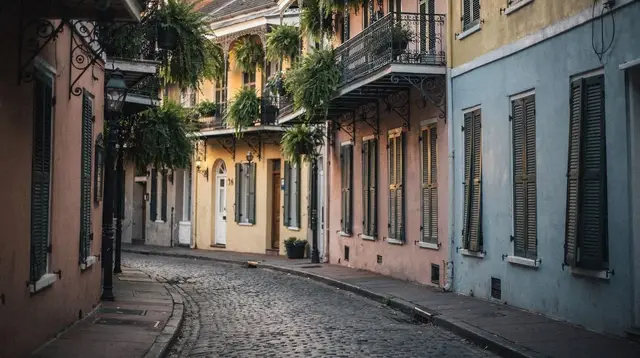
Bay St Louis, about an hour from New Orleans, is the easiest introduction to this coast and the one town here that rewards walking on its own two feet rather than driving between stops. Its Old Town sits on a low bluff above the bay, a few compact blocks of galleries, antique shops and seafood restaurants housed in wood-frame buildings, many rebuilt after Hurricane Katrina. The town has leaned into art and music rather than casinos, and a stroll down Main Street and Beach Boulevard, with a stop on the municipal pier looking back across the bay toward the old lighthouse, covers the town’s charm in an hour or two.
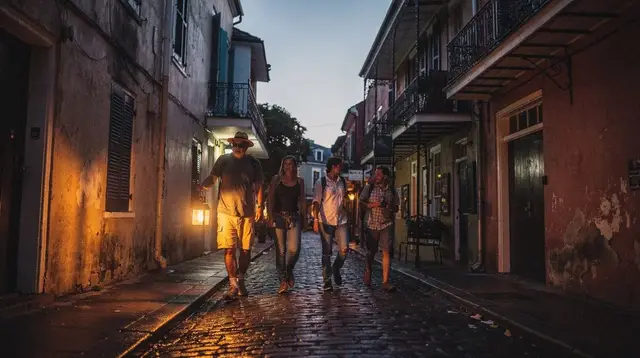
A guided walking tour along Bay St Louis’s waterfront and Old Town streets is a straightforward way to get oriented without a car, pointing out the buildings and stories a casual walk would miss. For visitors drawn to the town’s ghost-story side, a walking tour covering Bay St Louis’s reputedly haunted history runs in the evening through the same historic streets.
Those with more time can also book a boat tour into the bayous around Bay St Louis with a ghost-story theme, which combines a short stretch of water with local folklore rather than a full swamp-ecology outing — a lighter, shorter alternative to the dedicated swamp tours closer to New Orleans.
Pass Christian, Gulfport and Biloxi: beaches and casinos
East of Bay St Louis, Pass Christian is a quieter residential town along the beach road, known for antebellum-era homes set back from the water and a long stretch of sand with little development directly on it — a good stop for a walk or a picnic rather than a destination with its own attractions. It is easy to combine with Bay St Louis on the same drive, since the two are only about fifteen minutes apart.
Gulfport and Biloxi, roughly an hour to an hour and a half from New Orleans, are where the coast’s casino resorts cluster, several of them large properties with hotel towers, buffets, live entertainment and, in most cases, direct beach access on the Mississippi Sound side. Biloxi in particular has built a visitor identity around its casino strip along Beach Boulevard, and it is the practical answer for anyone who wants a beach afternoon paired with an evening of restaurants and gaming. Neither town has the historic core or walkability of Bay St Louis; a visit here is built around a stretch of beach, a chosen casino resort, and a seafood dinner, not a list of sights ticked off on foot.
| Town | Distance from New Orleans | What it offers | Best for |
|---|---|---|---|
| Bay St Louis | ~1 hour | Walkable Old Town, galleries, waterfront | A relaxed half-day, no car needed once parked |
| Pass Christian | ~1 hour 10 | Quiet beach, historic homes | A beach walk between stops |
| Gulfport | ~1 hour 15 | Beach, casino resorts | Beach plus an evening out |
| Biloxi | ~1 hour 30 | Casino strip, beach, seafood | A full beach-and-casino day |
Pairing a coastal morning with a French Quarter afternoon
Because Bay St Louis is only about an hour from the city, some visitors treat it as a half-day rather than a full one, driving out early, walking the Old Town and having lunch by the water, then returning to New Orleans in time for an afternoon or evening back in the French Quarter. For visitors who want to bookend that kind of day with a guided introduction to the city itself, a walking tour through the French Quarter’s landmark streets and squares works well either before an early departure or after driving back in the evening. It is not a substitute for the dedicated French Quarter walking tours most visitors take on a full day in the neighbourhood, but it fits naturally around the edges of a coastal excursion.
What a realistic day looks like
Because the towns are spread along roughly forty-five minutes of coastline, trying to see all four in one day usually means spending more time driving than doing anything at each stop. A more realistic plan picks one of two combinations: Bay St Louis and Pass Christian for a walking-and-browsing day with a beach stop, or Gulfport and Biloxi for a beach-and-casino day.
Visitors basing themselves in New Orleans for a week or less will usually get more value from the swamps or the River Road plantations, which sit closer to the city and offer more to do per hour of driving; the Gulf Coast makes most sense as an add-on for a longer stay or for visitors who specifically want a beach day.
Traffic on I-10 through the New Orleans area and across the Bay St Louis and Biloxi bridges can add time unpredictably, particularly on weekends and around casino events, so building in a buffer is worth it whether driving a rental car or joining an organised excursion. There is no meaningful public transport connection from New Orleans to any of these towns, which makes a car — rented, or a driver-led day trip — the only practical way to get here; see do you need a car in Louisiana for the broader picture.
Food and a note on the coastline itself
Seafood is the throughline of any Gulf Coast visit, with the accent shifting slightly from New Orleans’s Creole kitchen toward gumbo, boiled seafood and fried platters served in more casual, beachy settings. Bay St Louis in particular has a concentration of small, well-regarded seafood restaurants within walking distance of the Old Town shops, making it easy to fold lunch into a walking visit; for background on the region’s food vocabulary generally, see Creole vs Cajun food explained.
It is worth setting expectations on the beaches themselves. Because this coast faces the sheltered Mississippi Sound rather than the open Gulf, the water is generally calm and the sand is maintained rather than wild, closer to a resort beach than a natural shoreline. That suits a relaxed afternoon better than serious swimming or watersports, and it is one more reason this destination reads as a beach-and-casino day rather than a nature outing — the ecological interest of the region lies instead in the Honey Island Swamp and the Atchafalaya Basin to the south and west.
When to go, and the one seasonal caveat
Spring and autumn are the most comfortable times to visit this coast, much as they are in New Orleans itself, with more moderate heat and humidity than the height of summer. Summer weekends bring the largest crowds to the beaches and casino resorts, along with the daily afternoon thunderstorms typical of the region. The one caveat worth carrying into any planning for a coastal visit between June and November is that this stretch of shoreline falls within the Atlantic hurricane season; it is a risk to build travel insurance around rather than something to assume will disrupt a trip, and it should not deter a visit outside of an active storm forecast.
Building the Gulf Coast into a longer stay
A single day trip is the most common way to see this coast, but it is not the only option. Visitors on a Louisiana grand tour of a week or more can fold a coastal day in alongside the city, the plantations and the swamps without crowding the itinerary, since the Gulf Coast sits in the opposite direction from the River Road and bayou country and does not compete with them for driving time on the same day. Visitors specifically drawn to beaches, rather than treating the coast as an afterthought, are better served by a dedicated three-day Gulf Coast and beaches itinerary, which spreads Bay St Louis, Pass Christian, Gulfport and Biloxi across enough time to actually use the beach rather than glimpse it between stops. For a shorter visit built around the city itself, with the coast left out entirely, the standard New Orleans weekend break is the more realistic template.
What to bring and a note on costs
A coastal day trip calls for different packing than a walk through the French Quarter or a swamp tour: swimwear and a towel if a beach stop is planned, comfortable shoes for the Old Town’s brick sidewalks in Bay St Louis, and layers for the casino resorts in Gulfport and Biloxi, which run cold air conditioning year-round. The general packing guidance for a Louisiana trip, including what changes by season, is covered in what to pack for New Orleans. On costs, sales tax in Mississippi differs from Louisiana’s, so a restaurant or casino bill on this side of the state line will not match the totals visitors have grown used to in the city; the mechanics of tipping and tax generally are explained in tipping and sales tax in New Orleans, which applies in spirit even once the trip crosses into Mississippi.
Getting there from New Orleans
Nearly every visitor reaches the Gulf Coast by driving east on I-10 from New Orleans, whether self-driving a rental car or riding along on an organised tour with hotel pick-up; there is no rail or practical bus option that makes sense for a day trip here.
Anyone weighing this destination against the closer alternatives should compare it with the River Road plantations and the swamp and bayou country, both of which take less driving time and offer a denser slate of activities per hour spent on the road; a side-by-side comparison is at Lafayette or Baton Rouge for a day for visitors deciding among Louisiana’s several day-trip directions. For visitors extending their stay into the city itself, the things to do in New Orleans hub and the French Quarter activities page cover what fills the rest of a Louisiana trip.
Frequently asked questions about the Mississippi Gulf Coast
How far is the Mississippi Gulf Coast from New Orleans?
Bay St Louis, the closest town, is roughly an hour east of New Orleans. Gulfport and Biloxi are further, at around one hour fifteen to one hour thirty, depending on traffic on I-10.
Can you visit the Gulf Coast without a car?
Not comfortably. There is no practical public transport link from New Orleans to these towns, so a rental car or an organised tour with pick-up is the realistic option.
Are the beaches on the Mississippi Gulf Coast good?
They are pleasant, wide and sandy, but calmer and less dramatic than beaches on the open Atlantic or Florida’s Gulf side, since they sit on the Mississippi Sound behind a string of barrier islands.
Is Biloxi worth visiting for the casinos?
Biloxi and Gulfport have several large casino resorts with restaurants and entertainment, and they are the main reason many visitors extend a day trip here, alongside the beach.
How much time should you set aside for the Gulf Coast?
A single day is enough to cover the highlights of one or two towns. Bay St Louis suits a relaxed half-day of walking and browsing; Gulfport and Biloxi suit a beach-and-casino day.
Should this trip be combined with the swamps or plantations?
Not usually on the same day. The Gulf Coast lies east of New Orleans while the swamps and River Road plantations lie south and west, so they make separate day trips rather than a single loop.
Is the Mississippi Gulf Coast affected by hurricane season?
Like the rest of the Gulf region, it falls within the Atlantic hurricane season, which runs from 1 June to 30 November, with the statistical peak in late August and September. It is a risk to plan around with travel insurance, not a certainty.
Walking tours on GetYourGuide
Verified deep-linked GetYourGuide tours. Book through these links and we earn a small commission at no cost to you.
GetYourGuide does not provide a product photo for this activity — the image shows the meeting point, photographed by us.