Steamboat Natchez and River Cruises Compared
Is a Mississippi river cruise in New Orleans worth doing?
Yes, as a short in-city activity rather than a day trip. A riverboat cruise, whether a daytime sightseeing run or an evening jazz dinner cruise, gives a view of the French Quarter, the Crescent City Connection and the working river from the water, typically lasting a couple of hours. It is a city-centre activity, not a swamp or wildlife excursion.
What a New Orleans river cruise actually is
New Orleans sits on a wide bend of the Mississippi River, and that river is one of the best reasons to leave the pavement of the French Quarter for an hour or two without leaving the city at all. A river cruise here means boarding a boat at the downtown riverfront, sailing a stretch of the Mississippi past the Quarter, the Central Business District and the working port, and looking back at the city from the water. It has nothing to do with the swamp and bayou tours covered elsewhere on this site: those head out to wetlands south and west of New Orleans in search of alligators and cypress forest, while a river cruise stays on the main channel of the river, in view of downtown, for the length of the trip.
The most recognisable boat on this stretch of river is the Steamboat Natchez, a genuine steam-powered paddlewheeler, and its name is often used loosely to mean “the New Orleans riverboat” in general. In practice, several vessels run cruises from the same riverfront, some steam-powered and some diesel, and they compete on the same basic idea: a slow pass along the river with the skyline, the bridges and the French Quarter waterfront in view.
This guide sorts through the differences between them, places this activity where it belongs among things to do inside the city, and points out where operator details — schedules, exact durations, prices — should be checked directly with the operator rather than assumed from any guide, including this one.
Where the boats depart from
Riverboat docks line the edge of the Mississippi at the foot of the French Quarter and the adjoining stretch of the Central Business District waterfront. That means the boarding point is a short walk from Jackson Square, the French Market and Decatur Street, with no transfer or transport needed to get there. This is one of the reasons a river cruise slots so easily into a day that also includes the Quarter on foot: it starts and ends in the same small area, and the boat itself does the moving.
Because the dock sits right on the river, the view begins before the boat even leaves: the Crescent City Connection bridge, the container terminals and grain elevators of the working port, and the low, dense roofline of the Quarter behind its floodwall are all visible from the riverfront promenade, which is itself worth a slow walk even without a ticket.
The Steamboat Natchez and what makes it different
What sets the Natchez apart from the other boats on this stretch of river is mechanical: it is propelled by a genuine steam engine turning a rear paddlewheel, in a tradition that runs back to the steamboats that once carried cotton, sugar and passengers up and down the Mississippi in the nineteenth century. Most of the other riverboats working the New Orleans waterfront today are diesel-powered vessels built or fitted out to look the part, with a paddlewheel for appearance rather than propulsion.
That distinction matters if seeing an authentic steamboat is the point of the outing, and matters much less if the point is simply a pleasant hour or two on the river with music and a view. Either way, look closely at how an operator describes its vessel before assuming it is the Natchez itself: the name gets used informally to describe the whole category of New Orleans riverboat cruise, steam-powered or not.
Daytime sightseeing versus evening jazz and dinner cruises
Broadly, river cruises in New Orleans split into two kinds of outing, and they suit different moments in a trip.
A daytime sightseeing cruise is built around the view: daylight on the river, a narrated pass along the waterfront and the industrial stretches of the port, and a chance to photograph the skyline and the Quarter from an angle you cannot get on foot. Some daytime cruises add a jazz band or an optional lunch, but the emphasis stays on sightseeing rather than a full evening out.
An evening jazz dinner cruise is closer to a night out than a sightseeing trip: a meal service, a live band playing New Orleans jazz standards, and the same river route lit by the city at night rather than by daylight. It suits an evening when a proper sit-down dinner and some music matter as much as the view itself, and it pairs naturally with the live-music culture the city is known for, alongside venues like Frenchmen Street and Preservation Hall.
As an order of magnitude rather than a fixed figure, a sightseeing or jazz cruise typically runs a couple of hours, and a dinner cruise somewhat longer once boarding, the meal and a full set of live music are built in. Treat any duration quoted here as a rough guide only: schedules, boarding times and cruise lengths are set by each operator and do change, so confirm the current details before booking.
Comparing the main styles of cruise
| Style of cruise | Typical focus | Roughly suits |
|---|---|---|
| Daytime sightseeing cruise | River views, skyline, narration | Photography, first orientation to the river and port |
| Daytime cruise with jazz | Sightseeing plus a live band | A relaxed afternoon with some music |
| Evening jazz dinner cruise | Dinner, live jazz, night views | A proper evening out on the water |
| Guided riverfront walking tour | History of the river and the port on foot | Those who prefer land to water, or want context before boarding |
For travellers who would rather stay on solid ground but still want the story of the river, a land-based option covers similar territory without boarding a boat at all. You can go further with a guided walking history tour of the Mississippi River in New Orleans, which explains the port, the levees and the river’s role in the city’s history from the riverfront promenade itself.
Choosing between a daytime cruise and a dinner cruise
If sightseeing and photographs are the priority, a daytime option makes more sense, since the port, the bridges and the Quarter’s waterfront read far more clearly in daylight than after dark. Travellers short on time who want to fold a river cruise into a single busy day in the Quarter often lean this way. Worth considering here is a daytime steamboat jazz cruise with an optional lunch, which keeps the sightseeing focus while adding music and the choice of a meal on board.
If the evening is free and a fuller experience matters more than the view itself, a dinner cruise built around live jazz suits better, especially for a couple or a group marking a special evening in the city. One well-established option is the Riverboat City of New Orleans jazz dinner cruise, which combines dinner service with a live band over the length of the cruise.
Some visitors simply want the narrated river pass without committing to a full meal service, in which case a city riverboat cruise with captain narration covers the same stretch of river with commentary on the port, the bridges and the history of the waterfront, at a lighter pace than a dinner cruise.
Placing a river cruise in a New Orleans itinerary
A river cruise is a city-centre activity, not a day trip, and it competes for time with other things to do inside New Orleans rather than with excursions to the River Road plantations or the swamps. It fits naturally as a two- to three-hour block on a day that also includes walking the French Quarter or the Garden District, rather than as a full day’s outing on its own.
Anyone building a longer stay around the city and its surroundings can see how this slots in alongside plantation and swamp days in the five-day city, swamp and river road itinerary or a shorter three-day New Orleans plan.
It is worth being clear about what a river cruise is not. It is not a wildlife outing: the Mississippi at New Orleans runs through a major port city, not through wetland habitat, so alligators, herons and cypress swamp belong to a different kind of trip entirely, covered in the guide to swamp tours compared, airboat versus boat, and to destinations like the Honey Island Swamp well outside the city. It is also not a substitute for a proper look at Plantation Tours Along the River Road: What You’re Actually Visiting upriver, which sit on the same Mississippi but require a road trip of their own to reach.
For a broader sense of what else fills a day in the city, the things to do in New Orleans hub and the New Orleans river cruises category page cover the full range of on-water options side by side.
Practical notes before booking
A few points matter regardless of which cruise you choose. Boats depart from the riverfront near the Quarter, so no transport beyond a walk is needed if you are already staying downtown or in the Quarter itself. Weather on the Mississippi can shift quickly, and outdoor deck space is exposed to sun, humidity and the occasional summer thunderstorm described in the hurricane season guide, so dress for the season and expect some heat and humidity between roughly May and September. During Mardi Gras and Jazz Fest, river cruises fill up alongside the rest of the city’s attractions, so booking ahead matters more at those times than in a quieter month.
Finally, always treat schedules, exact prices and cruise durations as details set and changed by the individual operator rather than fixed facts: confirm them directly when booking rather than relying on any secondhand figure, including the rough ranges given above.
Steamboat and river cruise questions in New Orleans
Is the Steamboat Natchez the only river cruise option in New Orleans?
No. The Natchez is the best-known steamboat because it is a genuine steam-powered paddlewheeler, but several operators run diesel-powered riverboats from the same stretch of riverfront, offering daytime sightseeing cruises, jazz cruises and dinner cruises.
How long does a New Orleans river cruise last?
As a rough order of magnitude, expect a sightseeing or jazz cruise to run a couple of hours and a dinner cruise to run somewhat longer, since it includes boarding, a meal service and live music. Always check the current schedule and duration with the operator before booking, since these details change.
Do river cruises go into the swamps or bayous?
No. These cruises operate on the Mississippi River in and around New Orleans itself, past the French Quarter waterfront, downtown and industrial stretches of the port. Swamp and bayou tours, with alligators and cypress forest, run on separate waters outside the city and are a different kind of excursion entirely.
Where do the riverboats depart from?
From the New Orleans riverfront along the edge of the French Quarter and the Central Business District, within easy walking distance of Jackson Square and Decatur Street, so no transport is needed to reach the dock.
Is a dinner cruise better than a daytime cruise?
They serve different purposes. A daytime cruise favours sightseeing and photography of the riverfront and skyline in daylight, while an evening jazz dinner cruise pairs the same river views with a meal and a live band, closer to a night out than a sightseeing trip.
Do I need to book in advance?
It is sensible to book ahead, particularly for dinner cruises with a fixed number of seats and during busy periods such as Mardi Gras and Jazz Fest, when much of the city’s capacity fills up.
Can you see alligators or wildlife from a river cruise?
Not realistically. The Mississippi in New Orleans is a wide, busy shipping channel bordered by the city and its industry, not swamp habitat. For alligators, egrets and cypress swamp, see the separate swamp and bayou tours that run outside the city.
Tours worth comparing on GetYourGuide
Verified deep-linked GetYourGuide tours. Book through these links and we earn a small commission at no cost to you.
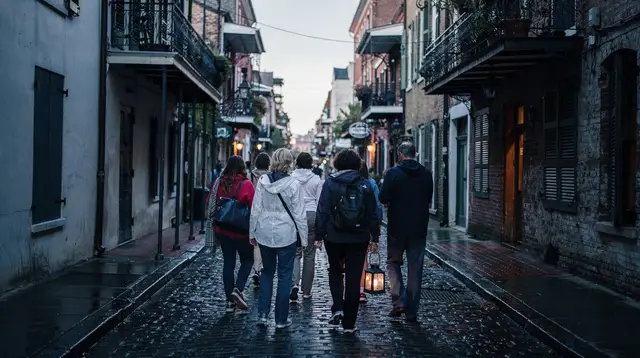
GetYourGuide does not provide a product photo for this activity — the image shows the meeting point, photographed by us.