A Luxury Long Weekend in New Orleans
Why the French Quarter and the Garden District work as a pair
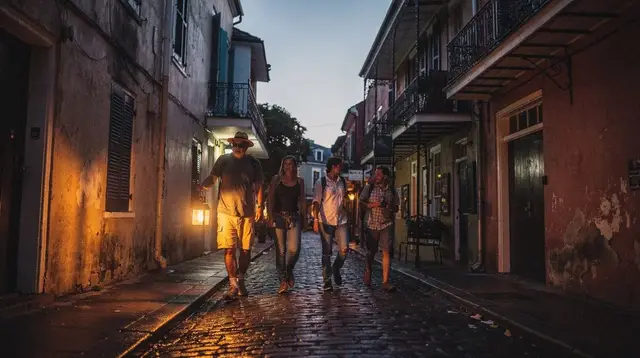
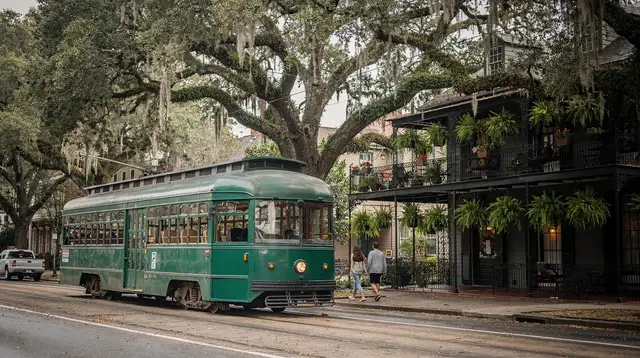
New Orleans rewards a slow visit more than almost any American city, and three days is enough to feel the difference between its two most storied neighbourhoods without rushing between them. The French Quarter is close, dense and theatrical, its wrought-iron balconies and courtyards built for wandering after dark with a good dinner behind you. The Garden District, reached by the oldest streetcar line in the world, is quieter and greener, its antebellum mansions set back behind live oaks.
This itinerary treats the two as complementary halves of the same weekend: elegant hotel, considered restaurants, private guides rather than a printed map, and evenings built around the city’s own cocktails. See our guide to where to stay in New Orleans for choosing between a Quarter address and a Garden District one; both work well as a base for this itinerary.
No car is needed at any point. Everything here sits within the Quarter itself, a short ride-hail or an unhurried streetcar journey away, and the pace assumes you would rather linger over a meal than tick off a list.
Day 1: Settling into the French Quarter
Begin gently. However you arrive, from MSY airport into the French Quarter is a short, well-organised transfer, and a hotel within the Quarter or on its edge means the entire first afternoon can be spent on foot, at an easy pace, with no further logistics to think about.
Spend the early afternoon simply absorbing the neighbourhood’s grid: Jackson Square and St Louis Cathedral, the Cabildo and the Presbytere flanking it, then Royal Street for its galleries and antique houses rather than the louder stretch of Bourbon a block away. A full walking guide to the French Quarter lays out a comfortable loop, but there is no need to follow it strictly on this first day; the point is to arrive unhurried.
In the late afternoon, book a small, guided introduction to the neighbourhood’s history rather than working it out alone. A private or small-group outing such as the evening history and haunted-history walk through the Quarter pairs well with a first evening, told by someone who can answer questions on the spot rather than a self-guided leaflet.
For dinner, look for a well-regarded Creole dining room rather than the first open table on Bourbon Street; Creole and Cajun cooking are genuinely different traditions, and a considered Creole menu — tomato-based sauces, French technique, Caribbean and African influence layered into it over two centuries — is the more interesting introduction to the city’s food than a quick po’boy counter.
Close the evening with a proper cocktail rather than a go-cup from the street. The Sazerac, the Ramos Gin Fizz and the Vieux Carre are all New Orleans inventions, each served properly at a hotel bar or a classic cocktail room rather than rushed; our guide to the city’s classic cocktails explains what distinguishes each one, worth reading before you order.
Day 2: The Garden District, at leisure
Take the St Charles streetcar uptown in the late morning — not as an economy measure but because it remains, by a wide margin, the most pleasant way to arrive in the Garden District, rolling past the avenue’s oak canopy and porches on the way. Our Garden District and streetcar guide covers the line’s stops and history in more depth.
Rather than working through the mansions on your own, book a private or small-group guide for the neighbourhood itself. An outing such as a guided walk through the Garden District’s antebellum houses and Lafayette Cemetery No. 1 gives context that a self-guided stroll along St Charles Avenue cannot: who built which house, what survived the decades since, and the particular customs behind the district’s above-ground tombs.
A second option, focused specifically on the cemetery’s gates and its layout, is the guided cemetery gates and Garden District walk, useful if the tombs themselves interest you more than the architecture. Our broader guide to the cemeteries of New Orleans explains why guided access matters here in particular, and how the rules differ across the city’s historic burial grounds.
Take lunch in the neighbourhood at an unhurried pace — a proper sit-down meal rather than something eaten walking — before the streetcar ride back downtown in the afternoon, leaving time to rest at the hotel before the evening.
For dinner, choose a Creole restaurant with genuine table service and a serious wine or cocktail list, the kind of room where the evening is meant to run for two or three hours rather than a fast turnover. Afterwards, walk down to Frenchmen Street rather than Bourbon Street for live music; it is where locals themselves go, and the clubs there run informally enough that arriving after dinner, rather than queuing early, works well. If a more structured evening of music appeals instead, how Preservation Hall actually works is worth reading in advance, since its sets and etiquette differ from a typical bar.
Day 3: Food, history and a last evening
Devote the final full day to the city’s food and to whichever thread of Quarter history most interests you, rather than adding new ground. A guided outing that moves through several kitchens in one afternoon, such as a guided tasting walk through New Orleans’s Creole kitchens, is an efficient and pleasant way to sample gumbo, etouffee and the city’s other signature dishes without committing an entire evening to a single restaurant. Our roundup of food tours in New Orleans compared sets this style of tour against others if you would rather choose differently.
For the afternoon, a further guided visit deepens whichever side of the Quarter’s history appeals most: an outing such as a combined French Quarter, cemetery and Voodoo history tour covers ground a self-guided walk would miss, including the city’s Voodoo history, a real and living tradition rather than a novelty. Our guide to Voodoo in New Orleans and our comparison of the city’s ghost tours are useful reading beforehand if you want a tour that treats the subject with some seriousness rather than pure entertainment.
Reserve the final evening for the best dinner of the stay, then finish with a last cocktail somewhere quiet rather than back on Bourbon Street — a hotel bar in the Quarter or the Garden District suits the tone of this trip better than the busier corners. If you are new to the city, our first-time visitor’s guide and the broader three-day New Orleans itinerary are worth comparing against this one to see how the same three days can be shaped differently depending on pace and budget.
Getting around this itinerary without a car
The whole of this weekend sits within the French Quarter itself or a short streetcar ride away in the Garden District, so a rental car adds nothing and a parking headache besides. Our guide to getting around New Orleans by streetcar covers the practicalities — routes, fares and where to board — in more detail, and the wider question of whether you need a car in Louisiana at all is worth reading if your stay extends beyond the city itself, since day trips further out do require either a private driver or a rental.
When to take this trip
Spring and autumn suit this itinerary best, since much of it involves being outdoors on foot between guided stops and unhurried streetcar rides. Our best time to visit New Orleans tool breaks the seasons down month by month, and it is worth checking against the Mardi Gras and Jazz Fest calendars specifically, since both push hotel rates well above the ordinary level and are worth either building around deliberately or avoiding.
| Day | Focus | Neighbourhood |
|---|---|---|
| Day 1 | Arrival, orientation, guided evening walk, Creole dinner | French Quarter |
| Day 2 | Garden District mansions and Lafayette Cemetery, Frenchmen Street | Garden District, French Quarter |
| Day 3 | Guided food tasting, French Quarter history, final dinner | French Quarter |
Frequently asked questions about this luxury New Orleans weekend
Do I need a car for this itinerary?
No. The French Quarter and the Garden District are close enough together, linked by the St Charles streetcar, that a car adds nothing to this itinerary and creates a parking problem the rest of the weekend does not have.
Should I stay in the French Quarter or the Garden District?
Both work well for this itinerary. A French Quarter hotel puts you inside the evening’s atmosphere and closer to dinner reservations; a Garden District hotel is quieter at night and closer to the streetcar for a leisurely morning ride into the Quarter. Either shortens the daily distances to a few minutes.
Is three days enough for this kind of trip?
Three days is comfortable for this pace, since the itinerary deliberately covers two neighbourhoods rather than the wider region. Extending to four or five days allows a slower morning after each late evening, or room for a single day trip beyond the city.
Why book private or small-group guides instead of walking on my own?
The Garden District’s mansions and Lafayette Cemetery No. 1 carry a great deal of history that is not signposted, and a guide can answer questions in the moment rather than leaving you to piece it together afterwards. St Louis Cemetery No. 1, elsewhere in the city, can only be entered with an authorised guide in any case.
What should I expect to spend on dinner each night?
This itinerary assumes considered, full-service Creole restaurants with a serious drinks list rather than casual counters, so expect prices closer to a fine-dining evening than a quick meal. Sales tax is added at the till rather than shown in the menu price, and tipping around 18 to 20 percent is standard.
Is Bourbon Street part of this itinerary?
Only in passing. The itinerary favours Frenchmen Street for live music, since it is where locals themselves go, and quieter hotel bars for a final evening cocktail, in keeping with a more relaxed, considered pace than Bourbon Street’s late-night crowds.
What is the difference between this itinerary and the budget version?
The ground covered is the same — the French Quarter and the Garden District over three days without a car — but this version replaces self-guided walking and casual eating with private and small-group guides, considered Creole dining rooms and a proper cocktail each evening.
When should I avoid this itinerary’s dates?
Avoid overlapping with Mardi Gras or Jazz Fest unless you are planning around them specifically, since both push hotel rates sharply higher and fill the neighbourhoods this itinerary relies on for a relaxed pace. The Atlantic hurricane season, from June through November, is worth checking against travel insurance rather than avoiding outright.
tours.3 days
Verified deep-linked GetYourGuide tours. Book through these links and we earn a small commission at no cost to you.
GetYourGuide does not provide a product photo for this activity — the image shows the meeting point, photographed by us.